Skip to content

ESL Shipping Sustainability Report 2025

CSR report 2024 cover

Sustainability Report 2025: A verified net‑zero pathway for maritime logistics

In 2025, ESL Shipping reached a major milestone as its near‑ and long‑term climate targets were validated by the Science Based Targets initiative. With continued fleet renewal, growing use of renewable fuels and a strong focus on safety, people and governance, the report outlines how ESL Shipping is delivering measurable progress toward net‑zero operations by 2040.

Read e-paper version
Download pdf-version
FOREWORD FROM MANAGING DIRECTOR

Driving climate leadership with a verified net‑zero pathway

Our SBTivalidated climate targets reinforce ESL Shippings role as a climate leader in maritime logistics, strengthen our longterm competitiveness and support the green transition needs of our customers and partners.

The year 2025 was a defining chapter for ESL Shipping, marked by significant progress towards our long-term sustainability goals. Our climate targets were officially verified by the Science Based Targets initiative (SBTi), reinforcing our commitment to align with global climate objectives.

Our dedication to responsible business practices was further recognised as we maintained our strong performance in the EcoVadis sustainability rating, earning the Gold medal. Safety remained a top priority throughout the year, and we continued to build a culture where every decision supports the well-being of our people and the integrity of our operations.

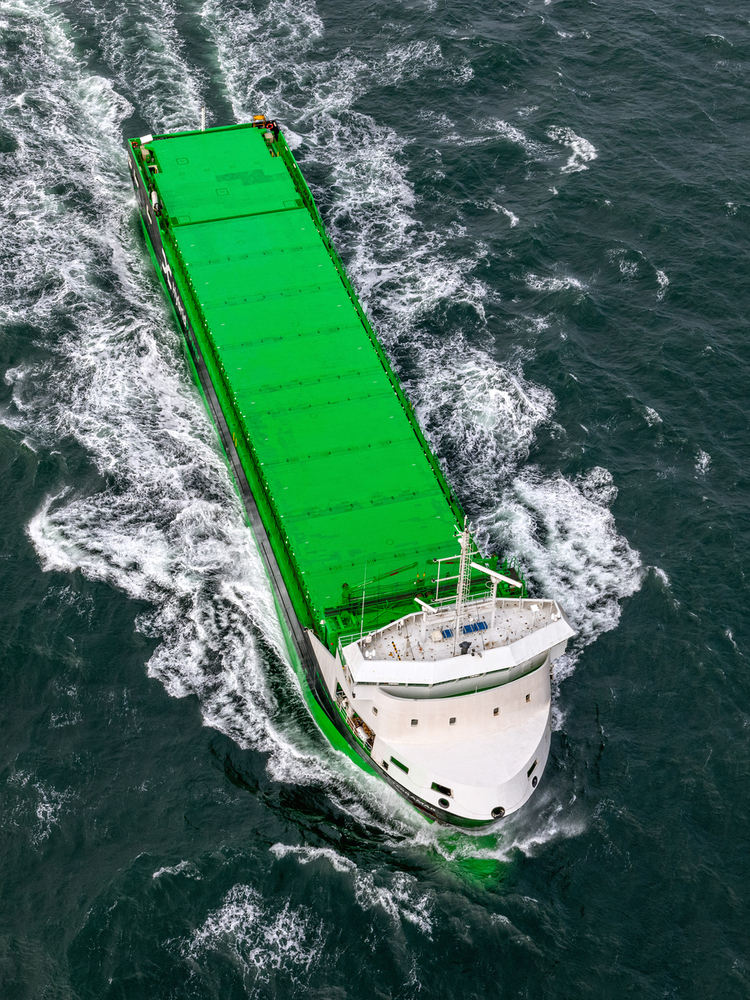
Looking ahead, 2026 will be another pivotal year. AtoB@C Shipping’s newbuilding program will conclude with the delivery of the twelfth Green Coaster, and we will commence construction of the first Green Handy vessels, an important milestone in our fleet renewal and growth strategy.

Koskinen_Mikki-85297-33

Our ESG Strategy

Our ESG targets demonstrate our ambition to be the industry forerunner in sustainability. Our goal is to be a pioneer in technological solutions, sustainability and quality of service. Sustainability and reducing our carbon footprint are at the core of our business and we have openly reported our progress in the annual sustainability report which has been published since 2017.

We are committed to the United Nation’s Sustainable Development Goals (SDGs). Based on our strategy work and our targets, we have determined SDGs where we can have a significant impact.

2025-10 SBTi approval-5
EMISSION REDUCTION TARGETS

Science Based Targets initiative validated ESL Shipping's climate targets

ESL Shipping’s sustainability strategy is centred on reducing emissions at pace while maintaining reliable logistics services in ice‑bound and demanding operating conditions. In 2025, the company’s climate targets were officially validated by the Science Based Targets initiative (SBTi), confirming alignment with the Paris Agreement’s 1.5°C goal.

ESL Shipping is committed to:

  • 59.6% reduction in well‑to‑wake GHG emissions per ton‑nautical mile by 2030
  • Net‑zero operations by 2040
  • Discontinuing the transport of fossil fuels, including energy coal, by 2030

Achieving these targets is driven by fleet renewal, increased use of renewable fuels, operational efficiency measures such as Virtual Arrival, and close cooperation with customers and partners.

ENVIRONMENT

Managing impacts across vessel operations

ESL Shipping’s environmental work focuses on reducing air emissions, improving energy efficiency and limiting impacts to the marine environment. As most environmental impacts arise from vessel operations, fleet renewal, fuel choices and operational efficiency are central to the company’s approach.

In 2025, absolute well‑to‑wake greenhouse gas emissions decreased year‑on‑year, supported by more energy‑efficient vessels, increased use of renewable fuels and operational measures such as voyage optimisation and Virtual Arrival. All ESL Shipping vessels can operate on HVO, and dual‑fuel vessels are compatible with liquefied biogas when available.

Beyond air emissions, ESL Shipping continued to reduce emissions to the sea. The share of wastewater and cargo hold wash water delivered to shore increased through improved onboard practices, new vessels equipped with dedicated collection tanks and closer cooperation with crews and customers. All owned vessels are equipped with ballast water treatment systems to prevent the spread of invasive species.

Waste management and circularity are also part of environmental performance. Waste is sorted and delivered to shore in line with regulations, and new circular initiatives—such as recycling end‑of‑life mooring ropes—were introduced to reduce waste and material use.

Environmental considerations are integrated into vessel design and upgrades, including shore power connections and measures that reduce noise during port stays.

Terramar_N Norderney_2025-10-14-149907-15-1-1
MacGregor - RisbergFilm - 20240528_GH5_P1844487-1
SOCIAL

Safe, fair and engaging working environment

People are at the heart of ESL Shipping’s operations, both at sea and ashore. In 2025, the company continued to strengthen its safety culture, employee wellbeing and fair working practices across all operations.

Safety remains a top priority. ESL Shipping achieved ISO 45001 occupational health and safety certification for Finnish operations, with work underway to extend the certification to Sweden. Safety leadership, hazard reporting and structured incident analysis are embedded in daily operations, supporting continuous improvement onboard and ashore.

Beyond safety systems, ESL Shipping continued to develop its organisational culture. The Fair Shipping Culture project progressed from listening and analysis to concrete onboard actions, helping crews strengthen fairness, open communication and psychological safety. The project confirmed the strong link between fair culture, wellbeing and safe operations.

ESL Shipping also invests in competence development and long‑term employability. Training for sea and shore personnel, leadership development and cooperation with maritime education institutions support professional growth and help maintain high service quality.

GOVERNANCE

Strong governance supporting sustainable operations

Strong governance and ethical business conduct form the foundation of ESL Shipping’s sustainability approach. Clear governance structures, policies and management systems guide decision‑making across own operations and the wider value chain.

In 2025, ESL Shipping further strengthened its human rights due diligence and supplier oversight. A comprehensive risk assessment identified key human rights risks, particularly upstream in shipbuilding, raw material production and externally managed vessel operations. These risks are addressed through supplier requirements, contractual expectations and active monitoring.

Supplier assessments and audits play a central role in governance. ESL Shipping applies a Supplier Code of Conduct and Sustainable Procurement Policy to key suppliers and tonnage providers. Regular vessel audits are carried out on externally managed ships, and selected suppliers are subject to on‑site audits. Findings are documented, corrective actions are followed up and results are used to guide continuous improvement.

Business ethics are supported by mandatory Code of Conduct and anti‑corruption training, an independent whistleblowing channel and clear protection against retaliation. Governance over cybersecurity and IT risks was also strengthened during the year as digitalisation of operations continued.

EiraESL (20)-1